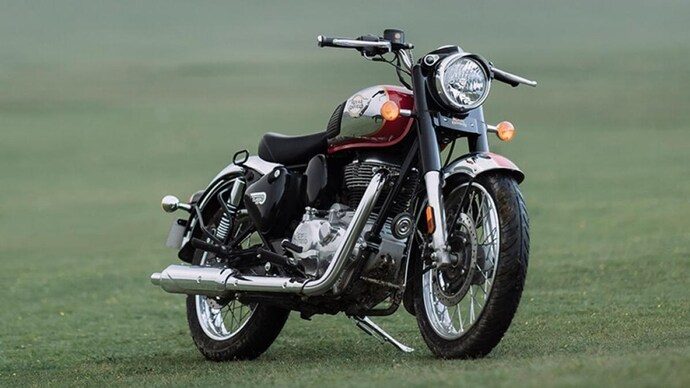
In India, a Bullet is not just a motorcycle.
It is emotion, attitude, heritage, and status rolled into metal and thunder.
Ask an Indian biker what comes to mind when they hear the word Bullet, and you won’t hear answers like mileage, horsepower, or top speed. Instead, you’ll hear words like “feel,” “pride,” “thump,” “royalty,” “manhood,” and “legacy.”
This obsession didn’t happen overnight. It was built slowly—over decades—through history, psychology, social influence, cinema, sound, and symbolism. Let’s break down the top reasons why Indians are crazy for the Bullet bike, and why this madness refuses to die even in 2026.
1. The Bullet Is Deeply Rooted in Indian History
Royal Enfield Bullet has one of the longest uninterrupted production runs of any motorcycle in the world.
Colonial-era origins
- Royal Enfield entered India in the 1950s
- The Indian Army adopted the Bullet for patrol and rugged terrain
- It became associated with authority, discipline, and toughness
For generations, Indians grew up seeing:
- Army officers
- Police officials
- Government servants
riding Bullets.
That planted a subconscious idea:
“This bike is for powerful men.”
Even today, when someone rides a Bullet, they inherit that historical aura. Indians value tradition deeply, and Bullet represents continuity in a fast-changing world.
2. The Legendary “Thump” Triggers Emotional Response
The Bullet’s exhaust sound is probably the single biggest reason for its cult following.
That thump-thump-thump is:
- Instantly recognizable
- Deep, slow, and commanding
- Very different from high-pitched sporty bikes
Why sound matters psychologically
Sound triggers emotion more directly than visuals. The Bullet’s thump:
- Feels powerful
- Feels calm but dominant
- Signals presence even before the bike is visible
In Indian streets full of chaos, honking, and noise, the Bullet doesn’t scream—it announces itself.
For many riders, the thump feels like a heartbeat. Riding a Bullet feels less like operating a machine and more like syncing with a living companion.
3. Bullet Symbolizes Masculinity and Strength
In India, vehicles often carry gendered symbolism, whether we admit it or not.
The Bullet is seen as:
- Heavy
- Muscular
- Unapologetically raw
It’s not sleek or flashy. It’s solid and imposing.
For decades, owning a Bullet implied:
- Physical strength (it was hard to handle older models)
- Mental toughness
- Patience and control
Even today, phrases like:
“Bullet chalana aasaan nahi hota”
carry cultural weight.
For many men—especially from small towns and semi-urban India—the Bullet becomes a rite of passage into manhood.
4. It Represents Rebellion Without Being Reckless
Unlike racing bikes that symbolize speed and aggression, the Bullet represents a controlled rebellion.
It says:
- I don’t need to race
- I don’t need to prove speed
- I ride at my own pace
In Indian society, where conformity is common, the Bullet allows people to stand out without breaking rules.
You’re different—but respected.
This balance is extremely attractive in a culture that values social approval but secretly admires independence.
5. Bollywood and Pop Culture Made It Iconic
Indian cinema played a massive role in Bullet obsession.
On screen symbolism
- Heroes riding Bullets were often fearless, grounded, and dominant
- Villains or authority figures used Bullets to project power
- Rural and rugged characters were almost always paired with a Bullet
From classic films to modern web series, the Bullet appears whenever a character needs gravitas.
Over time, this association became automatic:
Strong character = Bullet
Pop culture didn’t create the love—it amplified what already existed.
6. The Bullet Is Not Just Bought, It Is “Owned”
Most motorcycles are purchased.
A Bullet is adopted.
Bullet owners:
- Name their bikes
- Modify them extensively
- Talk about them like family members
This creates a deep emotional bond.
Why this happens:
- Mechanical simplicity makes riders feel connected
- Customization options allow personal expression
- The bike demands involvement, not passive riding
In a world of disposable products, the Bullet feels permanent.
7. Bullet Ownership Signals Social Status (Quietly)
Unlike luxury cars that scream wealth, the Bullet signals earned respect.
In Indian society:
- A Bullet suggests maturity
- Financial stability
- Taste rooted in tradition rather than trends
Especially in smaller towns:
- Bullet owners are instantly noticed
- Often perceived as leaders or influencers
- Treated with subtle deference
It’s not flashy like a superbike—but that’s exactly why it works.
The Bullet whispers confidence. And in India, quiet confidence carries enormous weight.
8. It Appeals Strongly to Indian Roads and Conditions
Indian roads are unpredictable:
- Potholes
- Speed breakers
- Dirt roads
- Traffic chaos
The Bullet’s design fits this reality:
- Upright seating
- Strong low-end torque
- Comfortable suspension
- Stability at moderate speeds
Riders don’t feel rushed or strained. The bike encourages patience, which ironically makes it safer and more enjoyable in Indian conditions.
The Bullet doesn’t fight India—it flows with it.
9. Multi-Generational Emotional Transfer
One of the most underrated reasons: inheritance of desire.
Many Indians grew up seeing:
- Their father wanting a Bullet
- Their uncle owning one
- Their neighbor dreaming about it
Even if they couldn’t afford it then, the desire stayed.
Later in life, buying a Bullet becomes:
- Fulfilling a childhood dream
- Completing a family narrative
- Achieving a symbolic milestone
Few bikes carry this kind of inter-generational aspiration.
10. Bullet Riding Is a Lifestyle, Not a Hobby
Royal Enfield successfully built a community, not just a customer base.
Bullet culture includes:
- Long rides
- Rider clubs
- Road trips to Ladakh, Spiti, Rajasthan
- Slow travel philosophy
The bike aligns with a mindset:
“Life is not a race. Ride slow. Feel everything.”
In a fast, stressful Indian economy, this philosophy feels like therapy.
11. Resistance to Change Strengthens the Bond
Ironically, criticism of the Bullet has only strengthened its cult.
Common complaints:
- Not the fastest
- Vibrations
- Heavy
- Expensive for what it offers
But Bullet lovers don’t deny these flaws—they embrace them.
The imperfections make it human.
Loving a Bullet is almost an act of loyalty:
“It’s not perfect, but it’s mine.”
This emotional commitment deepens attachment.
12. Bullet Represents Indian Identity Itself
At its core, the Bullet mirrors Indian personality:
- Old yet adapting
- Loud yet dignified
- Emotional rather than purely logical
- Rooted in tradition but open to evolution
That’s why newer models modernized the engine and design—but never killed the soul.
The Bullet evolves slowly, just like India does.
Final Thoughts
Indians are crazy for the Bullet bike not because it’s the best motorcycle, but because it is the most meaningful one.
It represents:
- Power without aggression
- Tradition without stagnation
- Individuality without rebellion
- Emotion without apology
The Bullet doesn’t sell speed.
It sells belonging.
And as long as Indians value emotion, legacy, and identity over pure numbers, the Bullet’s thump will continue to echo across roads—and hearts—for generations to come.
If you want, I can also:
- Compare Bullet vs modern sports bikes psychologically
- Explain why youth still choose Bullet despite better tech
- Break down Bullet obsession region-wise (North vs South India)
Just tell me 🔥