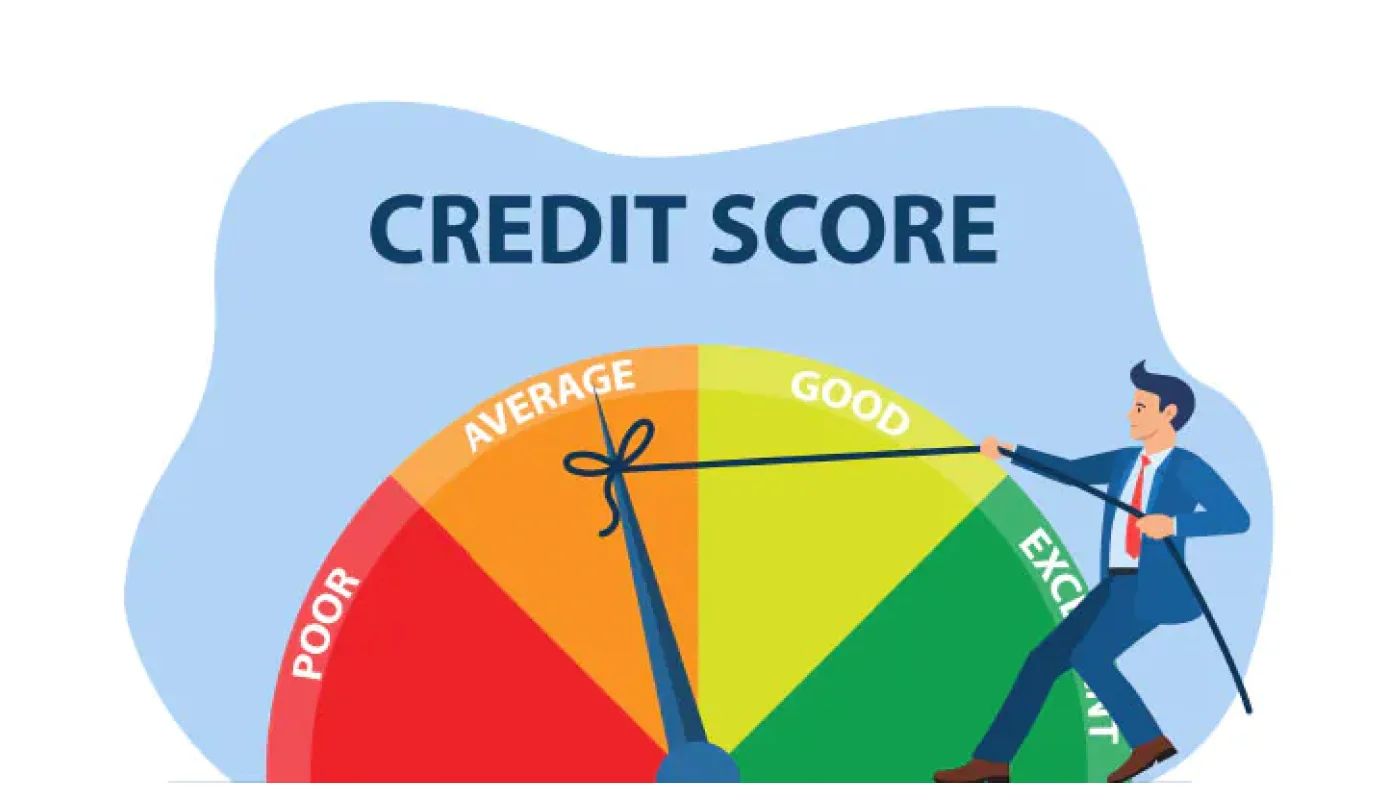
What Is a Credit Score?
A credit score is a three-digit number that represents a person’s creditworthiness. It is calculated based on information found in your credit report, which includes details about your credit history, outstanding debts, and payment behavior. Credit scores are primarily used by lenders to assess the risk of lending money or extending credit to an individual.
In the U.S., credit scores are calculated by several credit bureaus, including Equifax, Experian, and TransUnion. These scores typically range from 300 to 850, with higher scores indicating better creditworthiness.
- Excellent: 750 and above
- Good: 700-749
- Fair: 650-699
- Poor: 600-649
- Very Poor: Below 600
The most commonly used credit score model is FICO, which ranges from 300 to 850. Another model, VantageScore, also ranges from 300 to 850, though the way the scores are calculated may vary slightly.
Understanding Credit Scores and How to Increase Them Quickly
A credit score is one of the most crucial factors in managing your financial life. It reflects your creditworthiness, which lenders use to evaluate your ability to repay debt. A higher credit score can help you secure loans with favorable terms, while a lower credit score might make it difficult to get approved for loans or credit cards and could lead to higher interest rates. Understanding what credit scores are and how to improve them quickly is essential for maintaining good financial health.
Factors That Affect Your Credit Score
Your credit score is not a fixed number; it can change over time based on how you manage your finances. There are five key factors that influence your credit score:
-
Payment History (35%)
- Your payment history is the most important factor in determining your credit score. It reflects whether you have made your credit card, loan, and mortgage payments on time. A history of missed or late payments can significantly lower your score.
-
Credit Utilization (30%)
- Credit utilization refers to the percentage of your available credit that you’re currently using. It is calculated by dividing your total credit card balances by your total credit limits. A high credit utilization rate suggests that you may be over-relying on credit, which can negatively impact your score.
-
Length of Credit History (15%)
- The longer your credit history, the more positively it impacts your score. A long credit history gives lenders more data about your spending and repayment behavior, which helps them make more informed decisions about your creditworthiness.
-
Types of Credit in Use (10%)
- A diverse mix of credit accounts (e.g., credit cards, mortgages, auto loans) can boost your score. Lenders like to see that you can manage different types of credit responsibly.
-
New Credit (10%)
- Opening multiple new credit accounts in a short period can signal financial instability and negatively affect your score. Each time you apply for credit, a hard inquiry is made on your report, which can lower your score temporarily.
Why Is a Good Credit Score Important?
A good credit score offers several benefits:
- Lower Interest Rates: Lenders are more likely to offer you loans with lower interest rates if you have a high credit score, saving you money in the long run.
- Better Loan Approval Chances: A good credit score increases your chances of being approved for credit cards, loans, mortgages, and other financial products.
- Higher Credit Limits: Those with higher credit scores are often granted higher credit limits, which can provide more financial flexibility.
- Employment Opportunities: Some employers check credit scores as part of the hiring process, especially for positions that involve financial responsibilities.
- Better Insurance Rates: Some insurance companies use credit scores to determine rates for auto and home insurance, with those having higher scores paying lower premiums.
How to Increase Your Credit Score Quickly
Improving your credit score takes time and effort, but there are strategies that can help you boost your score quickly. Some of these strategies involve quick fixes, while others require long-term planning.
1. Check Your Credit Reports for Errors
The first step in improving your credit score is to review your credit reports for errors. Mistakes on your credit report can cause your score to drop unnecessarily. Common errors include:
- Incorrect account information (e.g., wrong balance or account status).
- Accounts that don’t belong to you.
- Incorrectly reported late payments.
- Accounts that have been closed but are still listed as open.
To get a free copy of your credit report from all three major credit bureaus, visit AnnualCreditReport.com. You can dispute any inaccuracies you find by contacting the credit bureau and providing supporting documentation. Fixing errors on your credit report can quickly improve your score.
2. Pay Your Bills on Time
Payment history makes up 35% of your credit score, so it’s crucial to pay all your bills on time. Even one missed payment can have a negative impact on your score. Setting up automatic payments or reminders can help you avoid late payments. If you have existing late payments, bringing those accounts current as soon as possible can start to improve your score.
3. Reduce Your Credit Utilization
Credit utilization is the second most important factor in your credit score. If you have high credit card balances, it’s a good idea to pay them down as quickly as possible. Ideally, you should aim for a utilization rate of 30% or less. For example, if your total credit limit across all cards is $10,000, you should aim to carry no more than $3,000 in balances.
If paying down your balances quickly isn’t feasible, consider requesting a credit limit increase from your credit card issuer. This can help lower your utilization rate without requiring you to pay down your balances.
4. Pay Off Debt Strategically
If you have multiple outstanding debts, focus on paying off high-interest debt first. One popular strategy is the debt avalanche method, which involves paying off the debt with the highest interest rate first while making minimum payments on other debts. Once the highest-interest debt is paid off, move on to the next highest-interest debt.
Another method is the debt snowball method, which involves paying off your smallest debt first and then moving on to the next smallest. This method provides psychological rewards as you eliminate debts quickly, but it may cost you more in interest over time.
5. Become an Authorized User
If you have a family member or friend with a good credit history, ask if you can be added as an authorized user on their credit card account. This can instantly improve your credit score, as their positive payment history will be added to your credit report. You don’t need to use the credit card yourself for this to work, but you do need the primary account holder to have a good payment history and low credit utilization.
6. Avoid Opening New Accounts
Each time you apply for a new credit card or loan, the lender conducts a hard inquiry, which can lower your credit score by a few points. To improve your score quickly, avoid applying for new credit in the short term. If you need additional credit, consider requesting a credit limit increase rather than opening a new account.
7. Negotiate with Creditors
If you have outstanding debt that is in collections or you’re behind on payments, consider negotiating with your creditors to settle the debt. Some creditors may be willing to remove negative marks from your credit report in exchange for payment. Make sure to get any agreements in writing before proceeding with a payment.
8. Use a Secured Credit Card
If your credit score is low, applying for a secured credit card may help you improve your credit. A secured credit card requires a deposit that serves as your credit limit. By using the card responsibly and paying off the balance in full each month, you can rebuild your credit history and improve your score.
9. Ask for Goodwill Adjustments
If you’ve missed a payment but have a generally good payment history, consider asking your creditor for a goodwill adjustment. This is a request to have the late payment removed from your credit report as a one-time courtesy. Some creditors may be willing to do this, especially if you’ve had a longstanding relationship with them and can show that the missed payment was an isolated incident.
Conclusion
A good credit score is essential for achieving financial goals such as securing a mortgage, getting approved for loans, or receiving favorable interest rates. Improving your credit score requires careful management of your credit, including paying your bills on time, reducing your credit utilization, and fixing any errors on your credit report. While improving your credit score takes time, following the steps outlined above can help you make significant progress, often in a short period.
By following these strategies and maintaining a disciplined approach to managing your credit, you can improve your credit score quickly and set yourself up for long-term financial success.